
Welcome to Best Games of the ‘90s! This is the place where we celebrate the greatest games from one of the most iconic decades in gaming history.
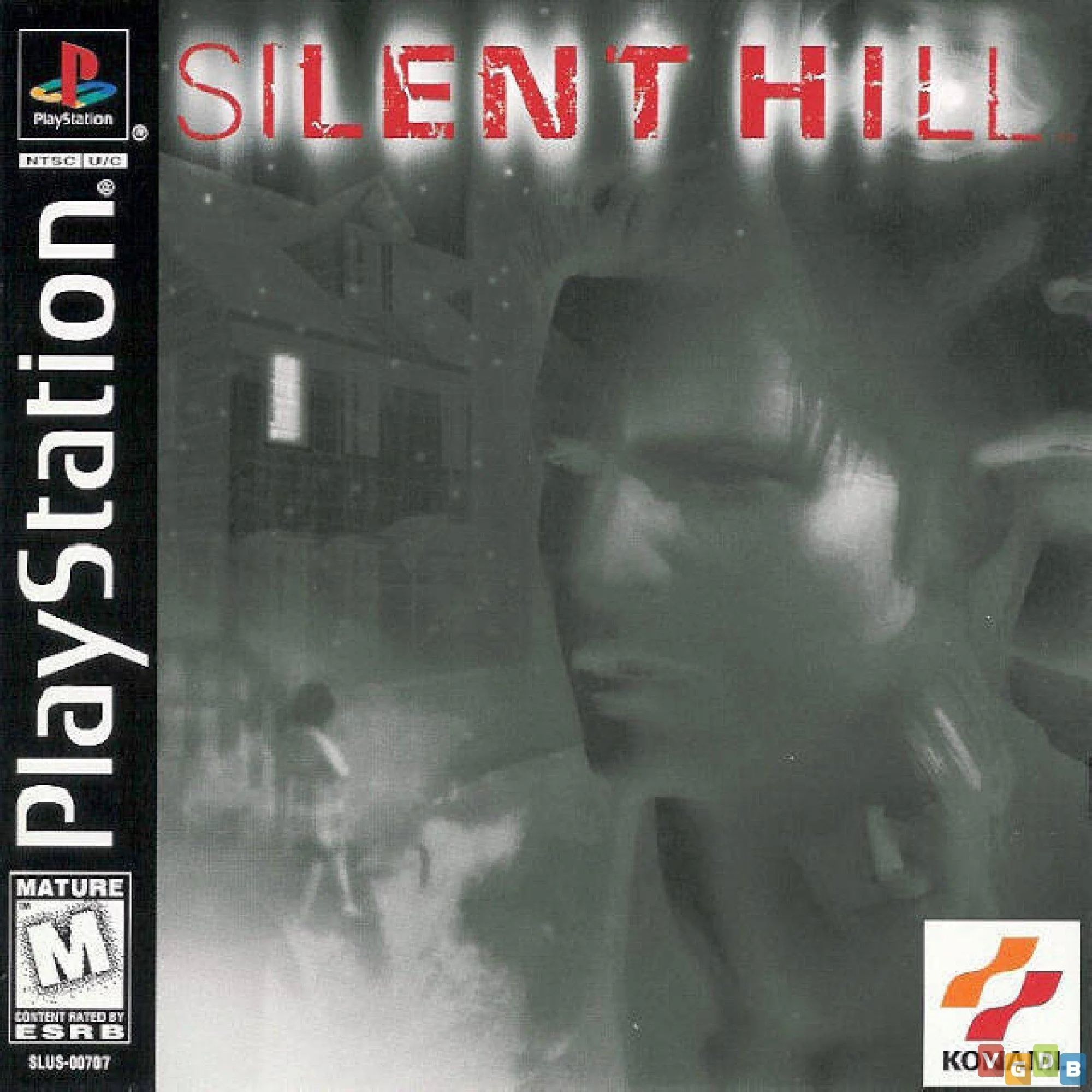
There are games that scare you with jump scares, and then there’s Silent Hill — the game that creeps into your mind and stays there long after you’ve turned off Playstation 1 console.
I still remember the first time I played the original Silent Hill back in the late 90s. I must have been a teenager, sitting alone in a dimly lit living room, the chunky PlayStation 1 controller in my sweaty hands. I didn’t know then that this game would reshape the way I thought about horror — not just in video games, but in any medium.
Lost in the Fog
From the very beginning, Silent Hill felt… wrong. In the best possible way.
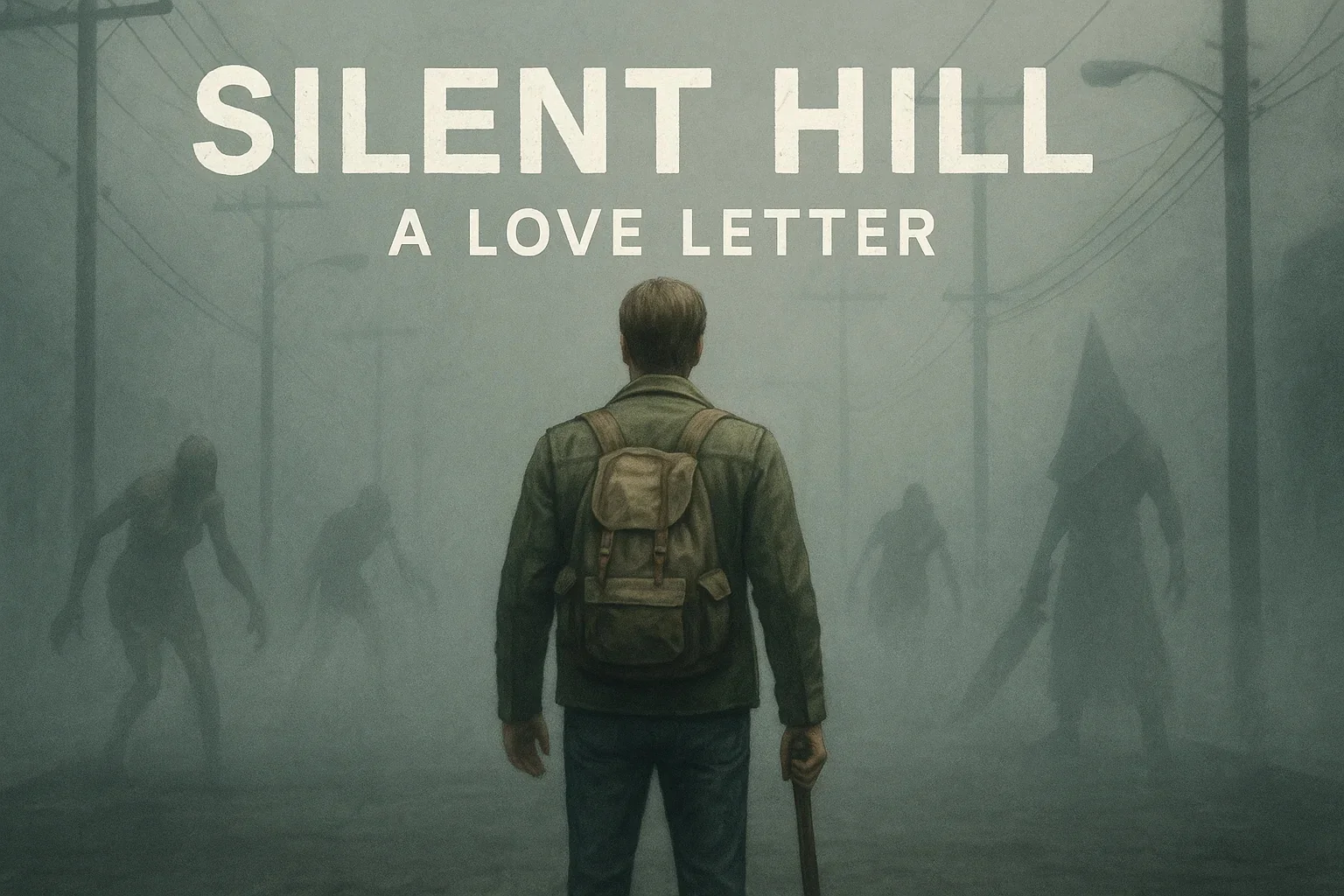
You wake up after a car crash, your daughter missing, the town buried under an unnatural fog. Every step forward feels like a mistake. The sound of your radio crackling into life was enough to send chills straight down my spine — a warning that something was nearby, even if I couldn’t see it yet.
It wasn’t just the monsters or the dark corridors. It was the unknown. The feeling that nothing in Silent Hill could be trusted — not the streets, not the people you met, not even your own senses.
The map you find early on feels like a cruel joke. Streets end in bottomless cliffs. Alleyways twist back onto themselves. Every place that should feel familiar — a school, a hospital — becomes a labyrinth of nightmares. Getting lost in Silent Hill wasn’t just easy; it felt inevitable.
Learning the Rules (Without Knowing It)
What Silent Hill did better than almost any other game I’ve ever played was teaching you its rules without ever spelling them out.
The opening nightmare sequence, where you’re overwhelmed and “killed,” taught me early that death was never far away. The diner encounter introduced me to combat — clumsy, desperate, exactly how it should feel for a regular guy like Harry Mason. And then the radio: a simple mechanic that added a constant, low-key panic every time it buzzed.
Silent Hill didn’t need flashy tutorials or hand-holding. It trusted you to figure things out — or die trying.
Atmosphere That Gets Under Your Skin
I can’t talk about Silent Hill without mentioning its atmosphere. The occasional fixed camera angles? Genius. They hid things just out of sight, letting your imagination run wild before finally revealing the horror too close for comfort. The lighting — often just the weak beam of Harry’s flashlight — made even empty rooms feel oppressive.
And then there’s the sound design. Akira Yamaoka’s soundtrack blurred the line between music and ambient noise so perfectly that half the time, I wasn’t sure if Harry could hear it too. Metallic screeches, distant cries, industrial hums — the town itself felt alive.
Even the voice acting, badly acted, stilted and surreal, added to the feeling that the characters were barely hanging onto reality. Conversations felt off, like talking to someone in a dream you can’t wake up from.

Surviving Silent Hill
The difficulty in Silent Hill was another thing that left a mark on me. Some sections, like the school, threw so many small, vicious enemies at me that I wondered if I was supposed to run instead of fight. Later, in the sewers, the game ripped away even the comfort of the radio, forcing me to listen — and feel — my way through dark, dripping tunnels.
It wasn’t always “fair,” and that’s exactly why it worked. Silent Hill didn’t want you to feel powerful. It wanted you to feel lost, desperate, and very, very alone.
Puzzles, too, were no joke. I still remember sitting with a notebook, trying to decode the surreal poem that hid the solution to a piano puzzle. No hints. No Internet. No skip button. Just you, the riddle, and your own wits. It was maddening — and unforgettable.
A Story That Lingers
Silent Hill’s story didn’t lay everything out neatly. It hinted. It whispered. It left breadcrumbs for players willing to dig deeper. Only later did I really appreciate how much groundwork the first game laid for the rest of the series: the cult, Alessa, the twisted religious rituals — it was all there, hidden beneath layers of fog and fear.
After finishing the game, Silent Hill left me with more questions than answers, but somehow that made it even better. It stayed with me — gnawed at the edges of my mind, long after the final credits rolled.
Why Silent Hill Still Matters
Today, survival horror games have become bigger, flashier, and often louder (looking at you, Resident Evil). But few games, if any, have captured the pure, suffocating fear that Silent Hill delivered with just fog, static, and a flashlight.
It wasn’t about monsters jumping out at you. It was about the waiting. The slow dread that built up as you wandered empty streets, never knowing if the next step would be your last.
Silent Hill wasn’t just a game I played. It was an experience I lived through — and one that I’ve never quite shaken off.
Even now, when I think of horror at its finest, my mind drifts back to that foggy town where reality blurred, where the radio crackled, and where I learned that sometimes the scariest things are the ones you can’t see.
Check out more Best Games of The 90’s like The Lost Vikings here.